Aluminium Bifold Doors vs Sliding Doors: Which Is Best for Your Extension?

You’re standing in your half-finished extension, imagining summer air, louder laughter, and a back wall that finally feels open. Then the choice lands on your lap: bifold or sliding. If you want a solid starting point, a professional behind remarkable Durajoin Aluminium Windows and Doors can help you see the perfect aluminium options that suit your home. Now let’s sort the decision with plain talk, not showroom poetry.

Space and Furniture Flow
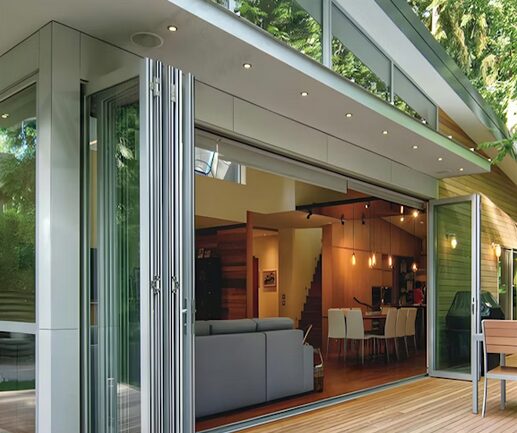
fold door

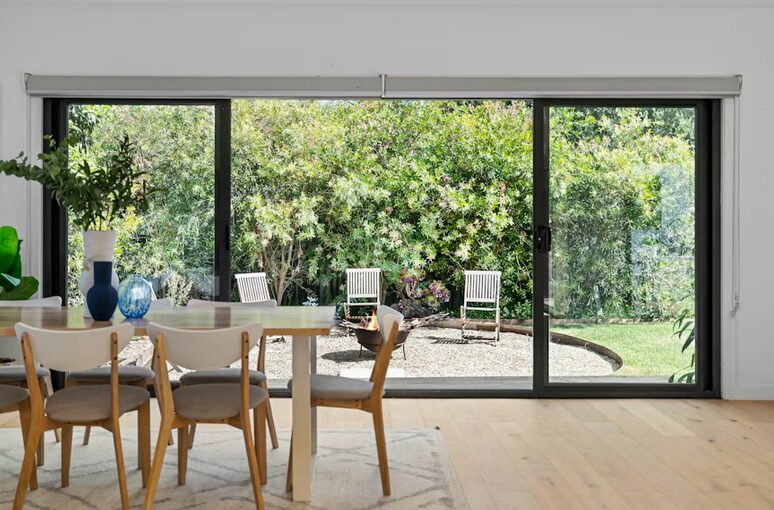
Bifold systems fold and stack, so they need a “parking” spot at the side. That stack can nibble into wall space where you wanted a chair, a plant, or a radiator. If your extension is narrow, that lost slice can feel bigger than it sounds. Think of it like a suitcase left in the hallway: you’ll step around it forever. Sliding systems don’t stack because panels glide behind each other. Your side walls stay clearer, which helps with furniture and sockets. The trade-off is simple: only part of the opening is fully open at one time. If you dream of the whole wall vanishing, sliding may feel like a half-smile.

The View and the Opening

openingBifolds shine when you want a wide, party-ready opening. They let you peel back multiple panels and make the inside and outside mingle. It’s great for BBQ traffic and kids sprinting in and out. But you will have more vertical frame lines across the view, which some people notice every single morning. Sliding doors win on clean sightlines. Fewer frame breaks can make the garden look like a giant framed picture. They’re also handy when you’re carrying trays, because nothing swings into your path. Still, you won’t get that full “accordion” opening, so decide what you value more: max opening or max view.

Comfort, Noise, and Day-To-Day Feel

Both types can perform well if the glazing and hardware are right. Focus on glass spec, seals, and how the system shuts, because drafts are mood killers. If your extension faces traffic, ask about acoustic glass options. Good frames plus the right glass can make a noticeable difference at dinner. Daily life also matters. Bifolds have multiple moving leaves, so you’ll handle more handles, more hinges, and more points of adjustment over time. Sliding panels are heavier, yet the routine is often simpler: slide, latch, done. If you’re the kind of person who likes “one motion and finished,” sliding can feel calmer.

Cost, Installation, and a Quick Pick List
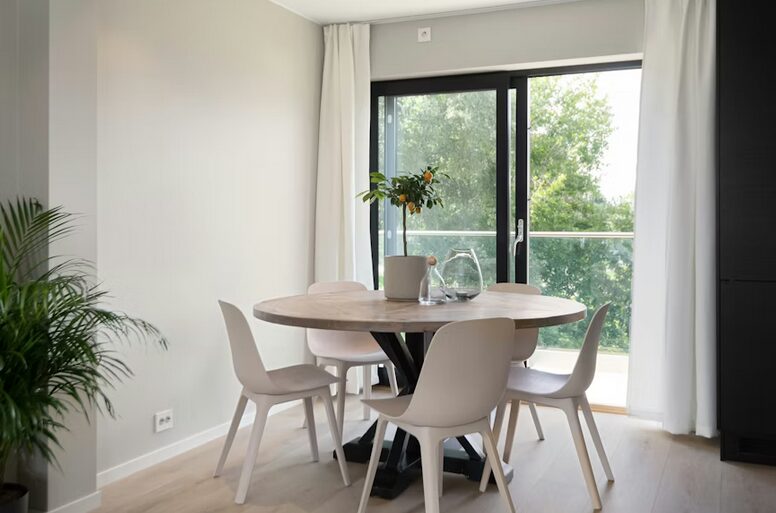
Prices swing based on size, glass choice, and hardware grade, so don’t judge by one quote. Bigger openings need a solid structure, and that can add to the bill for either style. Installation quality matters as much as the product, because a great system fitted poorly is still a headache. Ask who measures, who installs, and what happens if something needs tweaking after.

Use this quick pick list. Choose bifolds if you want the widest opening, you host often, and you have space for the panel stack. Choose sliding if you want cleaner views, simpler daily use, and you’d rather keep side walls free. If you want guidance that feels human, check the ranges and project support offered by Durajoin, then match the system to how your home actually moves.…

Common Mistakes to Avoid During End-of-Lease Cleaning

Moving out can be both exciting and stressful. It’s a time filled with new beginnings, but it also comes with a long list of tasks to work on before handing over the keys. One crucial step is end-of-lease cleaning. This isn’t just about tidying up; it’s your chance to leave the property in pristine condition and ensure you get your deposit back.

However, many tenants make common mistakes during this process that could cost them dearly. One that is obvious is not hiring professional cleaners from cleaning services. From forgetting hard-to-reach spots to using the wrong products, these oversights can turn an easy job into a frustrating experience. Let’s dive into some pitfalls you should avoid when tackling end-of-lease cleaning so you can move forward with confidence and peace of mind.

Neglecting Hard-to-Reach Areas

wiping surface

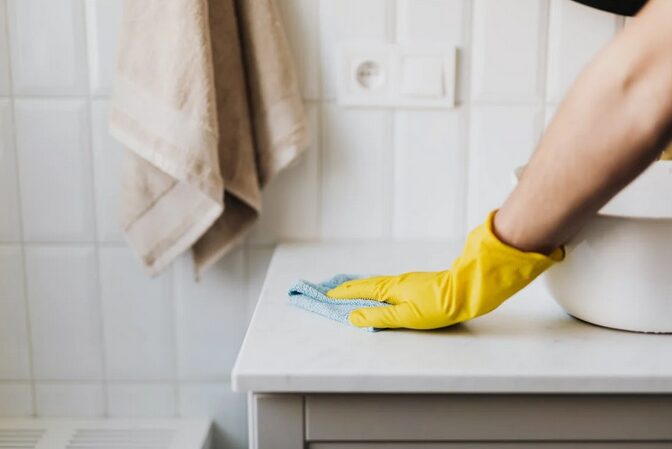
When cleaning a space, it’s easy to focus on obvious surfaces and overlook those tricky corners. Hard-to-reach areas often accumulate dirt and dust, leading to an incomplete clean. Think about behind appliances like the refrigerator or stove. These spots can hide years’ worth of grime that may not be visible at first glance. A quick wipe won’t cut it; you must get there for a thorough scrub. Don’t forget high places, either. Ceiling fans and light fixtures usually collect dust over time. Skipping these will leave your property looking neglected. Even baseboards can gather unnoticed debris. They’re low down but still require attention to detail.

Using Incorrect Cleaning Products

Choosing the wrong cleaning products can lead to more harm than good. Many renters underestimate the importance of reading labels. Some solutions have harsh chemicals that damage surfaces or leave behind unwanted residues. For instance, using an abrasive cleaner on delicate countertops might scratch them. Meanwhile, a glass cleaner meant for windows could ruin wooden furniture finishes if misused. It’s also essential to consider eco-friendly options.



Ignoring Details Like Windows and Blinds

When it comes to end-of-lease cleaning, many people focus on surfaces that are easy to see. Unfortunately, this often leads to the neglect of windows and blinds. Dirty windows can leave a poor impression. They catch light but also show smudges and grime. A sparkling clean window not only brightens up a room; it enhances the overall appearance of your space. Blinds are another area frequently overlooked. Dust accumulates quickly, creating a grimy layer that detracts from cleanliness. Take the time to wipe them down thoroughly. Consider using specialized cleaners for both windows and blinds. This ensures you’re not just moving dirt around but actually removing it effectively.

Procrastinating Until the Last Minute

procastination

Procrastination is a sneaky trap that many fall into regarding end-of-lease cleaning. You might think you have plenty of time, but before you know it, the deadline looms large. Waiting for the last minute increases stress and diminishes the quality of your work. Rushing through tasks can lead to overlooked spots and half-hearted efforts. Instead of scrambling, create a cleaning schedule well in advance. Break down tasks into manageable segments so each area gets its due attention.

End-of-lease cleaning doesn’t have to be a daunting task. By avoiding these common mistakes, you can ensure your space is left spotless and ready for the next tenant. Remember to pay attention to hard-to-reach areas, use the right cleaning products, focus on the details like windows and blinds, and give yourself plenty of time to complete everything without rushing. A thorough cleaning will help you secure your deposit and leave a positive impression behind. Take pride in leaving your home in great condition—it’s worth it!…

Heat Treatment for Bed Bugs: How It Works & Costs

Bed bugs can turn your peaceful sanctuary into a nightmare in any home, especially in New York. They’re resilient little pests that thrive in our homes, making sleep just about impossible. Removal & Treatment for bed bugs in Buffalo, New York is a must. While traditional pesticides have been around for decades, many homeowners are turning to innovative solutions like heat treatment to tackle these unwelcome guests.

This method not only promises effective elimination but also provides peace of mind by targeting every life stage of bed bugs. Are you curious about how heat treatment works? Do you want to know whether it’s worth the investment compared to chemical alternatives? Here’s what you need to know before taking action against bed bugs.

Temperature Requirements to Kill All Life Stages

To effectively eliminate bed bugs, temperatures must reach a minimum of 118°F (48°C). At this threshold, adult bugs begin to succumb within just 90 minutes. But it’s not just the adults that need attention. Nymphs and eggs are even more challenging. Eggs can withstand higher temperatures for short periods, but when exposed to sustained heat above 122°F (50°C), they too become vulnerable. This is crucial in ensuring all life stages are addressed during treatment. The key lies in maintaining these elevated temperatures throughout the infested areas.

Items That Must Be Removed First

Before heat treatment, it’s crucial to prepare your space. Start by removing items that could obstruct the process. This includes clothing, bedding, and curtains. Heat needs to circulate freely for maximum effectiveness. Next, clear out any electronics or sensitive devices. High temperatures can damage them, so it’s best to store them safely elsewhere. Don’t forget about clutter on the floor. Toys, shoes, and other belongings should be picked up and relocated. The less stuff in a room means better heat penetration. Consider moving furniture away from walls if possible. It helps ensure that every nook is heated adequately to eliminate bed bugs at all life stages effectively.

Duration of Typical Treatments

The duration of heat treatments for bed bugs can vary depending on several factors. Typically, a single treatment session lasts between six to eight hours. This timeframe allows the temperatures to reach levels that are lethal to all life stages of bed bugs. However, preparation and post-treatment processes may take additional time. Professionals often require some setup before applying heat, which includes sealing off spaces and ensuring adequate airflow. Post-treatment inspections also contribute to the overall timeline. Technicians will want to verify that every nook and cranny has been effectively treated.

Comparing Costs to Chemical Alternatives

Okay, now you may be wondering if heat treatment will give you a better deal compared to chemical alternatives. Here’s the truth. Heat treatment typically incurs a higher upfront expense due to specialized equipment and professional service. However, it offers significant advantages. Unlike chemicals, which may require multiple applications over weeks or months, heat can eliminate all life stages in one go. This efficiency can save you money on repeat visits and additional products. Chemical treatments often rely on residual effects that might not be effective if bugs develop resistance. In contrast, heat is a physical method that targets pests directly without leaving harmful residues behind. While initial costs for heat treatment may seem steep, factor in long-term effectiveness and peace of mind. You could end up spending less overall when you consider potential re-infestations from chemical approaches that don’t fully eradicate the problem.

Hiring the Best Pest Control Professional

But of course, you need to find the right pest control service to get the job done. DIY is not a good idea. Look for professionals with experience specifically in dealing with bed bugs with this method. Check their credentials and ask about their training in heat treatment techniques. Don’t hesitate to get multiple quotes before making a decision.…

How Often Should You Replace or Rekey Your Home’s Locks?

Ensuring the security of your home often begins with well-maintained locks. However, deciding when to rekey or replace them can confuse homeowners. While there isn’t a strict rule, several factors influence the frequency of replacing or rekeying locks, including security needs, the age of the locks, and any changes in household occupancy. Here’s a helpful guide on when you should consider rekeying or replacing your home’s locks to maintain optimal security.

When to Replace Your Locks

change locks

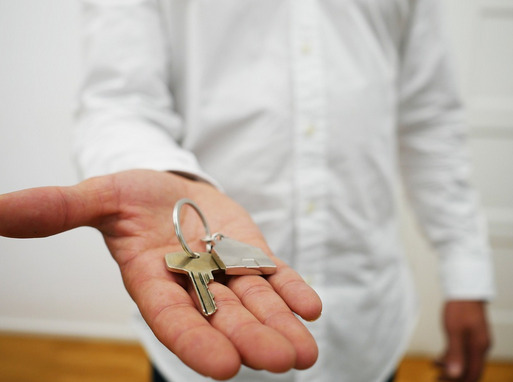
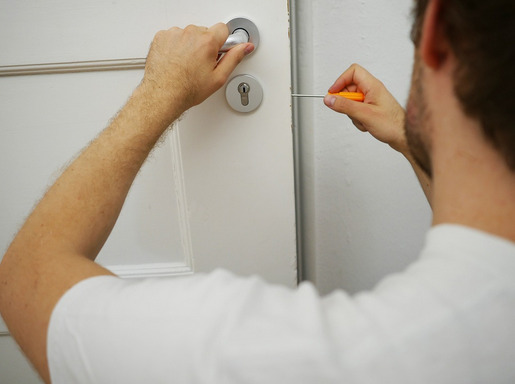
Replacing locks involves removing the old lock and installing a new one, and this should only be done by a trusted emergency locksmith Austin. This option is necessary if your current locks are outdated or malfunctioning or if you want to upgrade your home’s security. Lock replacement is also a chance to invest in higher-quality or modern locks, such as smart or high-security ones offering advanced security features. Generally, it’s recommended to replace your locks every seven to ten years, depending on wear and tear. Exposure to weather, frequent use, and general aging can deteriorate a lock’s functionality over time. If your locks show signs of rust, sticking, or becoming difficult to turn, replacing them ensures you maintain smooth, secure access to your home.

Key Indicators That It’s Time to Rekey or Replace Locks

While age is one factor, other signs indicate it might be time to update your locks. If you experience a break-in or attempted break-in, replacing the locks should be done immediately, as tampered locks may be compromised. Additionally, suppose you notice a buildup of rust or difficulty in smoothly turning the key. In that case, these are clear indicators that the lock’s performance has deteriorated and may no longer be reliable.

For those with smart locks or high-security locks, replacement timing can vary. Smart locks generally benefit from regular software updates, but it might be time for an upgrade if the hardware becomes unresponsive or the lock frequently loses connection. Similarly, high-security locks with intricate mechanisms might wear down and benefit from timely replacement to maintain their effectiveness.

repair

Smart and High-Security Lock Upgrades

As security technology advances, many homeowners choose to replace traditional locks with smart locks or high-security options. These options provide the added benefit of keyless entry, remote access, and tracking, allowing homeowners to monitor and control access from mobile devices. While smart locks typically last several years with regular maintenance, they may require occasional upgrades to stay compatible with new software or security protocols.

High-security locks, such as those with complex keyways or anti-pick designs, are built to withstand tampering and forced entry. These locks generally have longer lifespans than standard locks but should be replaced every 10–15 years to stay ahead of evolving security threats. If you live in a high-traffic area or experience frequent security issues, upgrading to high-security locks can offer valuable peace of mind.

Periodic Checks for Long-Term Security

check

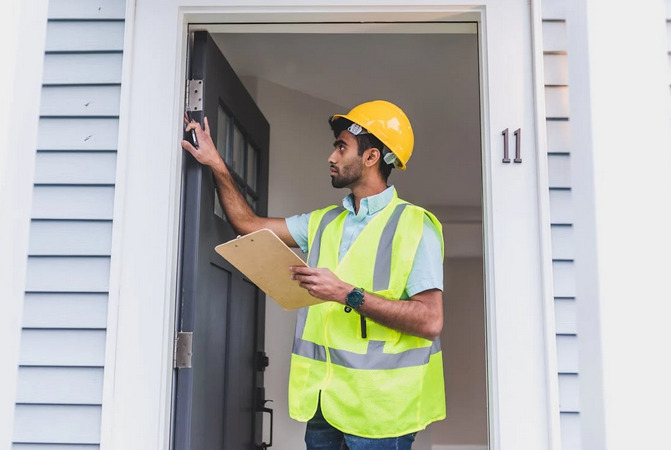
To maintain reliable home security, it’s wise to conduct periodic checks on your locks every couple of years. Test each lock for smooth functionality and observe any signs of wear. This is especially important if you have locks on entry doors, which are the most used. Inspecting your locks regularly allows you to identify early signs of wear or tampering and rekey or replace them as needed before a security issue arises.

Rekeying and replacing locks are both valuable strategies for maintaining home security. Rekeying offers a quick, cost-effective way to change access when needed, while replacing locks provides the opportunity to improve security and functionality, particularly when locks are old or worn. By rekeying locks every few years and replacing them approximately every decade, you can ensure your home remains secure and that you’re always in control of who has access to your property. Regular lock maintenance is essential to home safety, providing peace of mind for you and your family.…

The Long-Term Financial Advantages of An Eco-Friendly Home

In today’s world, the financial benefits of living in an eco-friendly home extend far beyond just reducing one’s carbon footprint. Homeowners are increasingly realizing that environmentally conscious living can lead to substantial long-term savings. This article explores key factors highlighting the financial advantages of an eco-friendly home by the best roofing companies philadelphia.

Energy Efficiency

One of the primary financial advantages of an eco-friendly home is the significant reduction in energy costs. Energy-efficient homes utilize various strategies such as efficient insulation, advanced HVAC systems, and energy-saving appliances to minimize energy consumption. Lower energy bills translate into substantial savings over time, allowing homeowners to allocate those funds toward other priorities. Additionally, some regions offer incentives like net metering, enabling homeowners to sell excess electricity generated by renewable energy systems back to the grid, further offsetting energy costs.

faucet

Water Conservation

An eco-friendly home embraces water-saving practices, leading to reduced water bills. Installing low-flow fixtures, such as faucets and toilets, and adopting rainwater harvesting or greywater recycling systems can significantly cut down on water usage. Reduced water consumption not only lowers utility bills but also helps conserve a valuable resource. In some areas, homeowners may qualify for rebates or incentives for implementing water-efficient systems, providing additional financial benefits.

Reduced Maintenance Costs

Eco-friendly homes often incorporate high-quality, durable materials and sustainable building practices. Such homes require less frequent maintenance and repair, resulting in long-term cost savings. For instance, using materials with extended lifespans, like composite or metal roofing, can eliminate the need for regular replacements. Additionally, utilizing low-maintenance landscaping techniques, such as native plantings, minimizes the need for excessive watering, fertilizers, and pesticides, reducing ongoing maintenance costs associated with a traditional lawn.

tax

Potential Tax Incentives or Rebates

Many governments and municipalities offer tax incentives, rebates, or grants to encourage homeowners to make eco-friendly upgrades. These incentives can significantly reduce the upfront costs associated with environmentally conscious renovations, making them more financially feasible. Examples of such incentives include tax credits for installing solar panels, insulation, or energy-efficient windows or rebates for purchasing energy-saving appliances or water-conserving systems.

Living in an eco-friendly home brings not only environmental benefits but also significant long-term financial advantages. The energy efficiency of such homes leads to reduced monthly utility bills and potential revenue generation through net-metering programs. Water conservation practices lower water bills while helping preserve a vital resource. Reduced maintenance costs associated with durable materials and sustainable landscaping techniques further contribute to long-term savings. Additionally, potential tax incentives, rebates, or grants provided by governments and municipalities offset upfront costs, making eco-friendly upgrades more financially viable.…

Upgrade Your Home Without Breaking the Bank: Affordable DIY Home Improvements

Are you tired of living in a home that feels outdated and uninspiring? Do you dream of giving your space a fresh, new look without draining your bank account? Well, get ready to roll up your sleeves and unleash your inner DIY guru because we have the ultimate guide for affordable home improvements.

Whether you’re a seasoned DIY enthusiast or just starting out, this blog post will show you how to upgrade your home on a budget. From simple upgrades that make a big impact to creative hacks that will leave your friends impressed, get ready to transform your space into something truly extraordinary – all without breaking the bank. So grab your tools, and let’s dive right in – it’s time to turn those Pinterest dreams into reality.

Refresh Your Space With a Fresh Coat of Paint

The simplest and most cost-effective way to breathe new life into your home is by applying a fresh coat of paint. A well-chosen color palette can transform a room, making it appear larger, brighter, and more inviting. Opt for neutral tones for a timeless appeal, or experiment with accent walls to add a touch of personality.

Upgrade Your Lighting Fixtures

Lighting plays a crucial role in setting the mood and atmosphere of your home. Swapping outdated or generic lighting fixtures for modern, stylish alternatives is a quick and cost-effective improvement. Choose fixtures that complement your home’s overall aesthetic and provide adequate illumination for different spaces.

Enhance Your Curb Appeal With Landscaping

Boosting your home’s curb appeal doesn’t have to be an expensive endeavor. Simple landscaping upgrades, such as planting flowers, adding mulch, or installing decorative stones, can make a significant difference. Keep your lawn well-maintained, and consider adding potted plants or window boxes for a burst of color.

Revitalize Your Kitchen With New Hardware

A kitchen upgrade doesn’t have to involve a complete overhaul. Swapping out old cabinet handles, drawer pulls, and faucets can instantly modernize your kitchen without breaking the bank. Choose hardware that complements your kitchen’s style—whether it’s sleek and contemporary or classic and timeless.

Install Smart Home Technology

Embrace the future by incorporating smart home technology into your living space. Affordable devices like smart thermostats, doorbell cameras, and smart plugs not only enhance your home’s functionality but also increase its appeal to potential buyers. Smart technology provides convenience, energy efficiency, and an added layer of security.

Home improvement need not be synonymous with exorbitant expenses. These five affordable upgrades—refreshing your space with paint, upgrading lighting fixtures, enhancing curb appeal through landscaping, revitalizing your kitchen with new hardware, and incorporating smart home technology—offer cost-effective ways to add significant value to your home. By strategically investing in these improvements, you can create a more appealing and comfortable living space without straining your budget. Remember, the key lies in making thoughtful choices that align with your style and long-term goals for your home. So, embark on your home improvement journey armed with these budget-friendly ideas.…

Reasons to Own a Home in Costa Rica

If you’re looking for a place to call home, consider Costa Rica. This Central American country has a lot to offer ex-pats and retirees, including beautiful beaches, lush jungles, and a temperate climate. But the best part is getting a mortgage in Costa Rica is much easier than in most countries, making it an excellent option for those looking to buy their own home.

Here are some of the top reasons why you should consider owning a home in Costa Rica:

Stable Economy and Government

The economy and government of Costa Rica are relatively stable compared to other Latin American countries, providing an added sense of security to the homeowner. The government is also friendly towards foreign investment and real estate purchases, which makes buying a home in Costa Rica simpler than elsewhere.

Low Cost of Living

cost of livingCosta Rica has a lower cost of living than many other countries, making it an attractive destination for those looking to purchase a home. In addition, the cost of living is significantly lower than in many other parts of Latin America and North America, making it more affordable for those wanting to make their investment stretch further.



Accessible Healthcare System

Costa Rica has some of the best healthcare systems in Central and South America, offering access to high-quality medical services at an affordable cost. It means that those who own a home in Costa Rica can rest assured knowing they have access to excellent healthcare should they require it.

Natural Beauty

Costa Rica is home to some of the most stunning scenery and landscapes, making it a desirable location to buy a home. From beautiful beaches and rainforests to majestic mountains and volcanoes, Costa Rica has something for everyone to enjoy.

nature

Rich Culture

Costa Rica is rich in culture, making it a great place to learn about the history and traditions of the region. There are numerous festivals and events to enjoy and a plethora of music and art to explore. All of this adds up to an enriching experience for homeowners in Costa Rica.

Proximity to North America

Costa Rica is located relatively close to North America, making it easy for those from the United States and Canada to visit their new home. This makes it an ideal location for those who want to make the most of their investment in Costa Rica.

Owning a home in Costa Rica is becoming increasingly popular as more people realize what this beautiful country offers. With its stable economy, low cost of living, accessible healthcare system, natural beauty, rich culture, and proximity to North America, it is easy to see why Costa Rica is an attractive destination for home ownership.…

Five Reasons to Restump Your Home

Most people don’t think about their foundation until something goes wrong. And by then, it’s often too late. Foundation problems can be expensive and time-consuming to fix, so taking care of them early on is essential.  One way to help maintain the health of your home’s foundation is by restumping your house. Before you worry about how much to restump a house, let’s look at the reasons to consider this home project.

Here’s what to expect when you restump your house:

Increased Stability

foundationRestumping can help keep your foundation as stable and solid as possible, protecting it from shifting over time. This is particularly important in areas prone to extreme weather, such as earthquakes or large storms, where the ground is constantly shifting due to the elements. Restumping can help reduce the risk of liability for foundation damage caused by tenants if you are renting out your home.

Reduced Risk of Flooding

If your home is built on a slope or in an area prone to flooding, it can be beneficial to restump your house. The process helps to create a level surface and reinforces the support beams of your home, reducing the risk of water infiltration or structural damage due to flooding.

Improved Curb Appeal

Restumping is an excellent place to start if you’re looking to increase the value of your property and make it more attractive to potential buyers. Restumping helps keep the structural integrity of your home intact while also improving its looks. It can help your home stand out, especially if you plan on putting it up for sale.

Reduced Chances of Pest Infestation

If your home’s foundation is unstable or damaged, it can provide a welcoming environment for pests such as termites and other wood-destroying insects. Restumping helps to prevent this, as it reinforces the wood and makes it much less susceptible to infestation.


Greater Peace of Mind

When you restump your house, you can rest easy knowing that the foundation is strong and secure. This increased sense of security will help ensure that your home remains safe and structurally sound in years to come.

Conclusion

Restumping your home can help maintain the structural integrity of your foundation and reduce the risk of flooding, pest infestations, and other issues. It also helps improve its curb appeal while giving you added peace of mind. If you’re considering restumping your house, research the best methods.  Also, don’t forget to consult a professional if you have any questions or concerns. Taking the time to restump your home now can help save you money and stress down the line.…

Tips for Creating a More Ergonomic Work-From-Home Space

Working from home can help save money on daycare, but can also be a pain if your work-from-home space isn’t set up ergonomically. An ergonomic work setup adjusts to you rather than you having to adjust to it. In other words, an ergonomic work-from-home space should be adjustable and customizable to fit your body and needs. This blog post will discuss easy ways to create a more ergonomic work-from-home space. You can also check out generic standing desks to create a modern feel that works well in a professional environment.

Consider a Standing Deskdesk

One way to reduce the risk of neck and back pain when working from home is to use a standing desk. Standing desks allow you to work while standing up, which increases activity and reduces fatigue. If you don’t have room or money for a standing desk, consider using a desktop converter that can be raised or lowered according to your needs.

Invest in a Good Chair

Another essential piece of furniture for creating an ergonomic work-from-home space is a comfortable, adjustable chair. Look for one that has lumbar support and adjustable arms. This will help ensure you’re sitting with proper posture while working. In addition, make sure your chair has adjustable height so you can easily adjust the seat to fit your body.

Place Your Monitor At Eye Level

When setting up a work-from-home space, it’s essential to keep in mind the placement of your computer monitor. Make sure you place it, so it is slightly below eye level and directly in front of you. This will help reduce eye strain and neck pain from looking down or up at the screen for an extended period.

Invest in a Wrist Rest

A wrist rest is inexpensive to make your work-from-home space more comfortable and ergonomic. Look for one that’s adjustable so you can quickly move it up or down, depending on your posture. Wrist rests help reduce fatigue and strain on the wrists caused by typing or using a mouse for extended periods. Plus, they can help keep your mouse and keyboard in the same position, which helps reduce strain when switching between them.

Creating an ergonomic work-from-home space can be challenging, but it doesn’t have to be. With these tips, you can easily make your workspace more comfortable and adjustable. By investing in quality furniture, adding a few accessories like wrist rests, and adjusting the placement of your monitor, you’ll soon see how much easier (and more enjoyable) working from home can be. Get started today.…